

If you have a pet bird at home, you’ve probably noticed how interested they become whenever food is around. Many birds will lean forward on their perch or move closer to their food bowl the moment they hear it being filled. Some even chirp loudly as if they’re reminding you that it’s time for their meal.
For new bird owners, feeding can sometimes feel confusing. You might wonder what birds actually eat, whether seeds alone are enough, or if they also need fruits and vegetables. It’s easy to assume that birds can eat almost anything, but like other pets, they need a balanced diet to stay healthy.
At Paw Fact Care, we share simple pet care guides to help pet owners understand their pets’ diet, health, and everyday care.
In this guide, we’ll go over what pet birds usually eat, which foods are safe for them, which foods should be avoided, and a few practical feeding tips that many bird owners find helpful.
What Do Birds Eat Naturally?
Seeds and Grains
Many pet birds eat seeds and grains in the wild. These foods give them energy and are a regular part of their diet. Birds like budgies, parrots, and finches usually enjoy seed mixes with things like sunflower seeds and millet.
But seeds alone don’t make a complete diet. Birds like them, but too many seeds can cause nutritional problems. That’s why many bird owners add other foods alongside seeds.
Fruits
Fruits are a good addition to a bird’s diet. Many birds like small pieces of apple, banana, berries, or grapes. Fruits provide vitamins and natural sugars that give energy and help keep them healthy.
It’s best to offer fruits in small amounts since birds have small stomachs. Just a few small pieces are enough.
Vegetables
Vegetables are important for a balanced bird diet. Carrots, spinach, broccoli, and peas give important nutrients birds need to stay healthy.
Some birds might need time to get used to vegetables, especially if they’ve mostly eaten seeds before. Offering small bits regularly can help them accept new foods gradually.
Pellets
Vets often recommend pellets because they provide balanced nutrition. Pellets include the right mix of vitamins, minerals, and protein.
Pellets can be a good base for a bird’s diet, but many birds like variety. Mixing pellets with fresh fruits and veggies can make mealtime more interesting.

Healthy Foods Pet Birds Can Eat
Apples
Apples are safe and healthy for many birds if given in small pieces. They have vitamins and fiber that help with digestion. Just make sure to remove the seeds before feeding.
Carrots
Carrots are another healthy choice. They have vitamins that support eye health and overall well-being. You can give carrots raw in small pieces or lightly steamed.
Leafy Greens
Leafy greens like spinach, kale, and lettuce have important nutrients for birds. These veggies help support their immune system and health.
Some birds might not try leafy greens right away, but with patience and regular offerings, many will start to eat them.
Cooked Rice or Grains
Sometimes, you can offer plain cooked rice or grains in small amounts. They provide energy and are easy for birds to eat. However, they should be an occasional treat, not a regular part of the diet.
Also read - Cat Feeding Schedule by Age
Foods Birds Should Avoid
Chocolate
Chocolate is toxic to birds and many other animals. Even small amounts can cause serious health problems. Keep chocolate far away from your bird.
Avocado
Avocado can be dangerous because it contains compounds that affect a bird’s heart and breathing. It should never be given to pet birds.
Caffeine
Coffee, tea, soda, and other caffeinated drinks can harm birds. Caffeine can impact their heart and nervous system, so avoid it completely.
Salty or Processed Foods
Foods high in salt or heavily processed, like chips or crackers, aren’t good for birds. Eating these regularly can cause health problems.

How Much Should You Feed a Pet Bird?
Portion Size
Birds usually eat small amounts throughout the day. Since they’re small, their portions are much smaller than those for dogs or cats. A small bowl of food is often enough.
Type of Bird
Different birds need different amounts of food. Parrots may eat more than smaller birds like finches or budgies. Knowing your bird’s species helps you pick the right portion size.
Activity Level
Active birds that fly and play might eat more than birds that rest most of the time. Watching your bird’s behavior can tell you if their food amount is right.
Monitoring Your Bird’s Health
If your bird is eating well and keeping a healthy weight, their diet is probably good. Sudden weight loss or no interest in food could mean a problem and should be checked by a vet.
You can also check - A Complete Dog Diet Guide for New Pet Owners
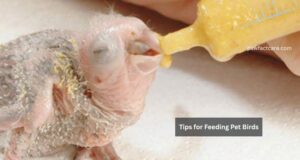
Tips for Feeding Pet Birds
Give Fresh Food Daily
Make sure your bird’s food is fresh every day. Leftover fruits and veggies can spoil quickly. Clean the food bowl daily to keep your bird healthy.
Offer Variety
Birds like different kinds of food. Offering various fruits, veggies, and seeds makes meals more enjoyable and ensures they get different nutrients.
Always Provide Fresh Water
Fresh water should always be available in your bird’s cage. Clean the water bowl daily to prevent bacteria.
Watch Your Bird’s Eating Habits
Take some time to watch what your bird prefers. Some birds like certain foods more than others. Knowing this helps you create a balanced diet.
Signs Your Bird Is Getting Proper Nutrition
Bright Feathers
Healthy birds usually have bright, smooth feathers. Good nutrition helps keep their feathers in good shape.
Active Behavior
Birds that eat well tend to be active and alert. They like flying, playing, and interacting with their surroundings.
Healthy Appetite
A bird with a good diet is interested in food. Regular eating is a sign that their feeding routine works.
Stable Weight
Keeping a steady weight is another sign of good nutrition. Sudden weight changes can signal diet or health issues.
Pet Owner Tip
When you introduce new foods, do it slowly. Birds can be cautious with unfamiliar foods. Giving small pieces alongside their regular food helps them accept new items over time.
Frequently Asked Questions
1. Can birds eat fruits every day?
Yes, many pet birds can eat small amounts of fruit daily, and most birds enjoy it as a treat. Fruits like apples, berries, and bananas provide vitamins and natural energy. However, fruit should only be a part of their diet, not the main food, because too much sugar—even natural sugar—may not be ideal for birds.
2. Are seeds enough for pet birds?
Seeds are often a favorite food for many birds, but they usually should not be the only thing they eat. A diet made only of seeds may miss some important nutrients that birds need for long-term health. Most bird owners try to include a mix of seeds, pellets, fruits, and vegetables to create a more balanced diet.
3. Can birds eat bread?
Birds can eat small pieces of plain bread occasionally, but it should not be given too often. Bread doesn’t provide many nutrients that birds need. If you want to offer something similar, whole grains or bird-safe grains are usually a better option.
4. How often should birds be fed?
Most pet birds eat small amounts throughout the day rather than large meals at once. Many owners simply refill the food bowl daily and remove old food to keep things fresh. Providing food regularly and keeping their feeding area clean helps maintain a healthy routine.
5. Do birds need water all the time?
Yes, birds should always have access to fresh, clean water. Just like other pets, birds need water for digestion and overall health. It’s a good habit to change the water every day and clean the bowl to keep it safe for your bird.
Conclusion
Feeding your pet bird the right foods is one of the most important parts of keeping them healthy. A balanced diet that includes seeds, pellets, fruits, and vegetables can help support their energy, feathers, and overall wellbeing. By offering variety and maintaining a clean feeding routine, you can help ensure your bird stays happy and healthy for many years.

