

When I first looked into getting a guinea pig, one of the biggest questions I had was, “What do guinea pigs actually eat daily?” It sounds simple, but once you start researching, it can feel a bit confusing.
Guinea pigs are small, but their diet is very specific. Feeding the wrong food can quickly lead to health problems, especially because they have sensitive digestion and unique nutritional needs like vitamin C.
In this guide, I’ll break down what guinea pigs eat, what to avoid, and how to create a simple feeding routine that keeps them healthy and happy.
👉 For more simple pet care guides and helpful tips, explore PawFactCare.
What Do Guinea Pigs Eat Daily
Hay – The Most Important Food
Hay should make up 80–90% of your guinea pig’s diet. It helps with digestion and keeps their teeth from overgrowing. From what I’ve learned, fresh hay should always be available. It’s not just food — it’s something guinea pigs nibble on throughout the day.
Fresh Vegetables
Vegetables provide essential nutrients, especially vitamin C, which guinea pigs cannot produce on their own. Leafy greens like spinach, lettuce, and coriander are great choices. I personally found that offering a mix of veggies keeps them more interested in eating.
Pellets (In Small Quantity)
Pellets are like a supplement, not the main meal. They provide balanced nutrition but should be given in limited amounts. Too many pellets can lead to weight gain, so it’s better to treat them as an add-on rather than the base diet.
Fresh Water
Clean water is just as important as food. Always keep a fresh supply available. I’ve noticed guinea pigs drink more than expected, especially in warm weather, so checking their water daily is a must.
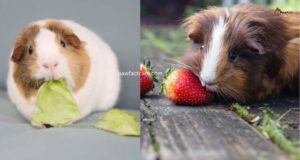
Fruits Guinea Pigs Can Eat
Safe Fruits
Fruits like apples, bananas, and strawberries are safe but should be given in small amounts. They are high in sugar, so think of them more like treats rather than regular food.
How Often to Give Fruits
Once or twice a week is more than enough. From my experience, giving fruits occasionally keeps guinea pigs excited without affecting their health.
Best Serving Size
Small bite-sized pieces are ideal. Too much fruit can upset their stomach, so portion control really matters here.
Signs of Overfeeding Fruits
Loose stools or reduced appetite can be signs. If you notice this, it’s best to reduce fruit intake immediately
Also Read - What Do Hamsters Eat?
Guinea Pig Feeding Chart
| Food Type | Quantity | Frequency |
|---|---|---|
| Hay | Unlimited | Daily |
| Vegetables | 1 cup | Daily |
| Pellets | 1–2 tbsp | Daily |
| Fruits | Small pieces | 1–2 times/week |
👉 This chart makes it easier to follow a balanced routine without overthinking.
Foods Guinea Pigs Should NOT Eat
Dairy Products
Guinea pigs cannot digest dairy at all. Milk, cheese, or yogurt can cause serious digestive problems.
Processed or Sugary Foods
Human snacks like biscuits, chips, or sweets are a big no. These foods can harm their digestive system and lead to obesity.
Onions and Garlic
These are toxic for guinea pigs and should always be avoided. Even small amounts can be harmful.
Potatoes and Tomato Leaves
While some parts of vegetables are safe, others are not. Potatoes and tomato leaves contain harmful substances.

Factors That Affect Guinea Pig Diet
Age
A guinea pig’s diet changes as they grow. Younger guinea pigs need more nutrients, especially for proper growth and development. They may eat slightly more and require richer food.
On the other hand, older guinea pigs tend to be less active, so their food intake should be more controlled. From what I’ve seen, senior guinea pigs also prefer softer vegetables, which are easier for them to chew.
Activity Level
Not all guinea pigs are equally active. Some love running around and exploring, while others are more relaxed and calm. Active guinea pigs burn more energy, so they naturally need a bit more food. I’ve noticed that when guinea pigs have more space and playtime, their appetite also increases slightly.
Health Condition
A guinea pig’s health plays a major role in deciding what and how much they should eat. If they are underweight, sick, or recovering, they may need a more nutrient-rich diet. In my experience, even small health issues can affect their eating habits. That’s why it’s important to observe changes like reduced appetite or sudden weight loss.
Environment
The surroundings and temperature can also impact your guinea pig’s eating habits. During very hot weather, they may eat less, while in cooler conditions, their appetite might increase.
I’ve personally seen guinea pigs become less interested in food during summer afternoons, so offering fresh veggies during cooler times of the day works better.
Type and Quality of Food
Not all food is the same. Fresh, high-quality hay and vegetables provide better nutrition compared to stale or low-quality food.
For example, fresh leafy greens are much more beneficial than old or dried ones. I always try to keep the food fresh because guinea pigs can be quite picky about quality.

Common Feeding Mistakes Guinea Pig Owners Make
Not Giving Enough Hay
One of the biggest mistakes is not providing enough hay. Many owners focus more on vegetables or pellets, thinking they are more nutritious.
But hay is actually the most important part of a guinea pig’s diet. Without enough hay, they can face digestion issues and even dental problems. I’ve learned that keeping hay always available makes a huge difference.
Overfeeding Pellets
Pellets are convenient, so it’s easy to give more than needed. But too many pellets can lead to weight gain and reduce hay consumption.
From my experience, guinea pigs tend to prefer pellets over hay, so if you give too many, they may ignore hay completely — which is not healthy.
Ignoring Vitamin C Needs
Guinea pigs cannot produce their own vitamin C, which makes this one of the most important parts of their diet.
If they don’t get enough, it can lead to serious health issues over time. I always make sure to include vitamin C-rich vegetables like bell peppers in their daily diet.
Giving Too Many Fruits or Treats
Fruits are often seen as healthy, but they contain a lot of sugar. Giving too many fruits can upset their stomach and cause weight gain.
I’ve noticed that limiting fruits to once or twice a week keeps things balanced without affecting their health.
Sudden Diet Changes
Changing your guinea pig’s food suddenly can cause digestive issues. Their stomach is quite sensitive, so they need time to adjust.
It’s always better to introduce new foods gradually. I usually mix small amounts first and slowly increase over a few days.
Not Monitoring Eating Habits
Many owners don’t pay close attention to how much their guinea pig is actually eating. A sudden decrease in food intake can be an early sign of a problem. From my experience, observing daily eating habits helps catch issues early and keeps your pet healthy.
You can also read - How Much to Feed a Cat
Pet Owner Tip
👉 I personally found that keeping a simple routine (hay always available + fixed veggie time) makes feeding much easier and stress-free. Once you follow a routine, guinea pigs adapt quickly.
Frequently Asked Questions
1. What is the main food for guinea pigs?
The main food is hay, which should always be available. It supports digestion and dental health. In my experience, guinea pigs spend most of their time eating hay.
2. Can guinea pigs eat fruits daily?
No, fruits should only be given occasionally. They are high in sugar and can cause health issues if given daily.
3. How much should I feed my guinea pig per day?
A balanced diet includes unlimited hay, about 1 cup of vegetables, and a small amount of pellets daily.
4. Do guinea pigs need vitamin C daily?
Yes, absolutely. Guinea pigs cannot produce vitamin C, so it must come from their diet every day.
5. Can guinea pigs eat human food?
No, most human foods are not suitable. It’s always safer to stick to foods specifically recommended for guinea pigs.
Conclusion
Feeding a guinea pig the right way is not complicated once you understand the basics. Focus on hay as the main food, add fresh vegetables daily, and keep treats limited.
From my experience, maintaining a simple and consistent diet makes guinea pigs healthier and more active. Just a little attention to their food can go a long way in keeping them happy and thriving ❤️

