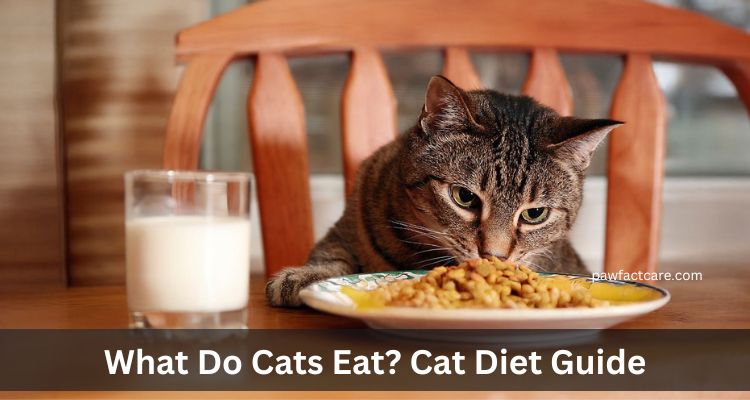
Cats are naturally curious, especially when food is around. If you’ve recently welcomed a cat or kitten into your home, you’ve probably already noticed how interested they become whenever you open the fridge or sit down to eat. It’s normal for new cat owners to wonder what cats should actually eat and whether some human foods are safe for them.
A balanced diet plays a big role in keeping cats healthy, active, and maintaining a shiny coat. But with so much information online, many pet owners feel unsure about what foods are truly safe for cats and how often they should be fed. Learning a little about a cat’s natural diet can make feeding choices much easier.
At Paw Fact Care, we share simple pet care guides to help pet owners better understand their pets’ diet, health, and daily needs. In this guide, we’ll look at what cats naturally eat, which foods are safe, which ones should be avoided, and a few practical feeding tips every cat owner should know.
What Do Cats Eat Naturally?
Cats Are Carnivores
Cats are natural carnivores, which means they mainly eat animal protein. In the wild, they hunt small animals like birds or rodents. Their bodies are built to digest meat and animal protein efficiently.
Why Protein Matters
Protein is the most important nutrient for cats. It helps build and maintain muscles, keeps organs healthy, and provides energy for daily activities. Good quality cat foods typically use protein sources like chicken, fish, or turkey.
The Role of Healthy Fats
Healthy fats give cats concentrated energy and help keep their skin and coat healthy. Fatty acids in fish oils are especially good for cats. They also support brain function and overall health.
Vitamins and Minerals
Cats need vitamins and minerals for body functions like bone strength, immunity, and digestion. Balanced cat food formulas usually include these essential nutrients.

Healthy Foods Cats Can Eat
Cooked Chicken
Cooked chicken is one of the safest and most common foods for cats. It offers quality protein that supports muscle and overall health. Plain chicken without salt or seasoning is best.
Fish
Many cats enjoy fish. It has omega-3 fatty acids that help keep the skin healthy and the coat shiny. But fish should be given in moderation to avoid nutrient imbalance.
Cooked Eggs
Cooked eggs are fine for cats and provide protein and amino acids that help muscles. Raw eggs should be avoided as they can contain harmful bacteria.
Small Amounts of Rice
Cats mainly need protein, but small amounts of rice can sometimes be added. Rice is easy to digest and can give some extra energy. It should only be an occasional addition along with protein.
If you’re also interested in dog nutrition, you can read our Dog Feeding Schedule by Age (Puppy to Senior Dog Guide)
Foods Cats Should Avoid
Chocolate
Chocolate contains substances harmful to cats. Even a little can cause vomiting, restlessness, or worse health problems. Keep chocolate away from cats completely.
Onions and Garlic
Onions and garlic can damage a cat’s red blood cells, leading to weakness or anemia if eaten often. These are common in cooked human foods.
Alcohol and Caffeine
Cats can’t safely process alcohol or caffeine. Both can harm their nervous system. Drinks like coffee, tea, and alcohol should never be given to cats.
Raw Meat
Raw meat might have bacteria that can make cats sick. Cooking meat removes this risk. Regular feeding of raw meat can also cause a nutritional imbalance.

How Much Food Should a Cat Eat?
Age of the Cat
Kittens need to eat more often as they grow quickly. Adult cats usually eat twice a day, while older cats may need adjusted portions based on their health. Feeding according to age supports healthy growth.
Size and Weight
Bigger cats eat more than smaller ones. Keep an eye on your cat’s weight to see if their portion size is right. Staying at a healthy weight is important for their wellbeing.
Activity Level
Active cats burn more calories and may need larger portions compared to less active indoor cats. Adjust food based on how much your cat moves.
Type of Food
Different cat foods have different calorie amounts. Dry kibble, wet food, and homemade meals vary in nutrition. Check the feeding instructions on the packaging to find the right portion.
Feeding Tips for Cat Owners
Maintain a Consistent Feeding Schedule
Cats feel more comfortable when they follow a routine. Feeding them at the same time each day helps regulate digestion. A consistent schedule also helps prevent unnecessary begging for food.
Avoid Overfeeding
Overfeeding is a common problem among indoor cats. Too much food can quickly lead to weight gain and health problems. Measuring portions carefully helps maintain a healthy weight.
Provide Fresh Water
Cats should always have access to fresh drinking water. Proper hydration supports kidney health and digestion. Some cats prefer running water, which is why many owners use pet water fountains.
Limit Human Food
Many human foods are not suitable for cats and may cause digestive issues. It’s best to stick to balanced cat food and occasional safe treats. Avoid giving cats spicy or heavily seasoned foods.

Signs Your Cat Is Getting Proper Nutrition
Healthy Coat
A shiny and smooth coat often indicates a well-balanced diet. Cats receiving proper nutrition usually have soft fur and healthy skin. Poor diet may cause dull fur or excessive shedding.
Good Energy Levels
Cats that eat a balanced diet usually remain active and playful. Healthy energy levels show that they are receiving the right nutrients. Lethargy may sometimes indicate poor nutrition.
Healthy Weight
Maintaining a stable weight is an important sign of proper feeding. Overweight or underweight cats may require diet adjustments. Monitoring weight regularly helps ensure proper nutrition.
Normal Digestion
Regular digestion and consistent appetite often indicate a healthy diet. Cats that eat balanced meals usually experience fewer digestive problems. Monitoring digestion helps identify dietary issues early.
Frequently Asked Questions
1. Can Cats Drink Milk?
Many people believe cats love milk, but many cats are actually lactose intolerant. Drinking milk may cause digestive upset. It is usually better to provide fresh water instead.
2. How Often Should Cats Eat?
Adult cats usually eat two meals a day. Kittens need three to four smaller meals because they are growing fast. Feeding schedules depend on age.
3. Can Cats Eat Human Food?
Some plain foods, like cooked chicken, can be safe in small amounts. But most human foods aren’t ideal. A balanced cat food diet is usually best.
4. Is Dry Food or Wet Food Better?
Both dry and wet foods can provide proper nutrition when they are of high quality. Wet food contains more moisture, which may help with hydration. Many owners choose a combination of both.
5. How Do I Know If My Cat Is Eating Enough?
Watch your cat’s weight, energy, and appetite. Healthy cats usually keep a stable weight and are interested in food.
Conclusion
Feeding your cat a balanced diet is one of the best ways to keep them healthy. Knowing what cats eat naturally, choosing safe foods, and sticking to a feeding routine helps their long-term wellbeing. Paying attention to your cat’s diet and behavior ensures they stay active and comfortable.