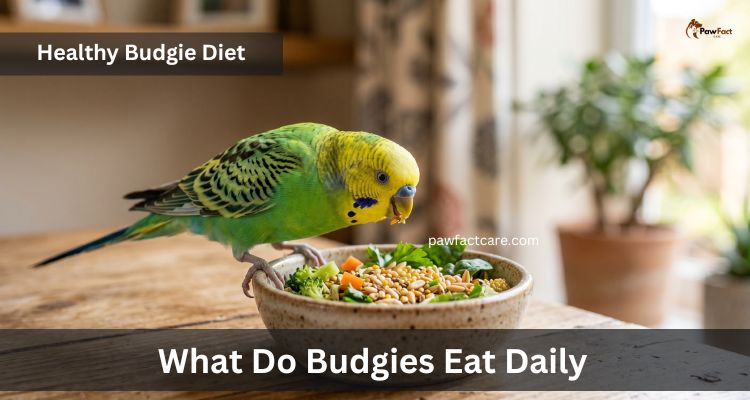
If you’ve recently brought a budgie home, one of the first things you’ll wonder is what budgies eat and how to give them a proper diet. I remember when I first saw a budgie being fed only seeds, and honestly, I thought that was enough too — but later I realized they need much more than just seeds.
Budgies are small but very active birds, and their diet plays a huge role in their energy, feather quality, and lifespan. A balanced mix of seeds, pellets, fruits, and vegetables is key to keeping them healthy. In this guide, I’ll explain everything simply and practically so you can confidently feed your budgie the right food.
👉 Find more simple and helpful pet care guides on our homepage.
🥗 What Do Budgies Eat Daily (Basic Diet Guide)
A balanced diet is Important
A healthy budgie diet should always be varied and balanced, not limited to just one type of food. Many beginners think seeds are enough, but budgies actually need a mix of pellets, fresh vegetables, fruits, and seeds to stay healthy. A proper diet supports their immunity, feather health, and daily energy levels.
Seeds as Part of Diet (Not Everything)
Budgies naturally love seeds, and they can be a part of their diet, but not the main one. Seeds are high in fat and low in some essential nutrients, so overfeeding them can lead to health problems. It’s always better to offer seeds in limited amounts along with more balanced food options.
Fresh Foods Add Real Nutrition
Fresh vegetables and fruits provide natural vitamins and minerals that packaged food alone cannot fully replace. They also keep budgies mentally active, as they enjoy pecking and exploring different textures. Adding fresh food daily makes their diet more complete and interesting.
🌻 Best Seeds and Pellets for Budgies
Common Seed Mix
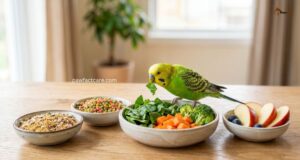
Budgies usually eat seed mixes like millet, canary seed, and oats, which are easy for them to consume. These seeds provide energy but should be given in controlled portions. Too much seed mix can lead to weight gain and nutritional imbalance over time.
Pellets for Balanced Nutrition
Pellets are specially designed to provide complete nutrition in every bite. They include essential vitamins and minerals that budgies might miss from seeds alone. Introducing pellets slowly can help budgies adjust to a healthier diet.
Mixing Both is Ideal
From experience, combining pellets with a small portion of seeds works best. This way, your budgie gets proper nutrition while still enjoying the foods they naturally like. It also helps in gradually shifting them to a healthier eating habit.
Check this post - Complete Food List & Diet Guide for Parrots
🍎 Best Fruits for Budgies
Safe Fruits to Feed
Budgies enjoy fruits like apples, bananas, grapes, papaya, and berries. These fruits provide natural sweetness along with vitamins that support the immune system. Offering a variety also keeps your budgie interested in food.
Serve in Small Quantities
Fruits should be given in small portions because they contain natural sugars. Feeding too much fruit regularly can lead to weight gain and an imbalance in their diet. A few times a week is usually enough.
Remove Seeds Before Feeding
Always remove seeds from fruits like apples before feeding. Some seeds can be harmful, so it’s safer to cut fruits into small, clean pieces before offering them.
Best Vegetables for Budgies
Healthy Vegetable Options
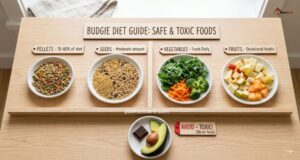
Vegetables like spinach, carrots, broccoli, bell peppers, and peas are excellent for budgies. They provide fiber and essential nutrients that support digestion and overall health. Including different vegetables adds variety to their diet.
Daily Feeding is Beneficial
Vegetables can be given daily and should form a regular part of your budgie’s meals. Unlike fruits, they are lower in sugar and help maintain a balanced diet over time.
Serve Fresh and Clean
Always wash vegetables properly before feeding them to remove any chemicals or dirt. Serve them raw or lightly steamed without salt or spices to keep them safe and healthy.
You can also check - Pet Calorie Calculator
🚫 Foods Budgies Should Avoid
Chocolate and Caffeine
Chocolate and caffeine are toxic to budgies and can seriously affect their nervous system. Even a small amount can be harmful, so it’s best to completely avoid these foods.
Avocado
Avocado contains substances that are dangerous for birds. Feeding even a small portion can cause serious health issues, so it should never be given to budgies.
Salty and Processed Foods
Human foods like chips, biscuits, and processed snacks contain too much salt and unhealthy ingredients. These can harm your budgie’s health and should be avoided completely.
⏰ How Often Should You Feed a Budgie
Daily Feeding Routine
Budgies should have access to fresh food every day. Any leftover fresh food should be removed after a few hours to prevent spoilage and keep the eating area clean.
Small Portions Throughout the Day
Budgies naturally eat small amounts multiple times a day. Providing small portions helps match their natural eating habits and keeps their energy stable.
Fresh Water is Important
Clean drinking water should always be available. Changing water daily is important to prevent infections and keep your budgie healthy.
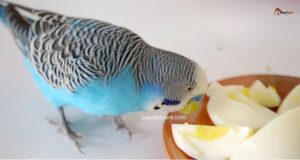
⚠️ Common Budgie Feeding Mistakes to Avoid
Feeding Only Seeds
Feeding only seeds is one of the most common mistakes budgie owners make. While seeds are a favorite, they do not provide complete nutrition and can lead to health issues over time.
Overfeeding Fruits
Giving too many fruits can increase sugar intake and disturb the balance of their diet. It’s important to keep fruit portions limited and balanced with vegetables.
Ignoring Fresh Foods
Skipping fresh vegetables and fruits reduces essential nutrients in your budgie’s diet. Including fresh foods daily helps maintain better health and energy.
📊 Signs Your Budgie is Eating a Healthy Diet
Bright and Smooth Feathers
Healthy budgies have vibrant, smooth, and shiny feathers. If feathers look dull or rough, it may be a sign that their diet needs improvement.
Active and Playful Nature
A well-fed budgie is usually active, curious, and playful. They enjoy flying, chirping, and interacting with their surroundings regularly.
Normal Eating Habits
A healthy budgie eats regularly without overeating or refusing food. Sudden changes in appetite can be a sign that something needs attention.
📊 Budgie Feeding Guide Chart (Quick Summary)
| Category | What to Feed | Frequency | Tips |
|---|---|---|---|
| Pellets | High-quality pellets | Daily (50–60%) | Main diet base |
| Seeds | Millet, canary seeds | Limited | High in fat |
| Vegetables | Spinach, carrot, broccoli | Daily | Fresh & clean |
| Fruits | Apple, banana, berries | 2–3 times/week | Small portions |
| Water | Fresh water | Daily | Change daily |
| Avoid | Chocolate, avocado, salty food | Never | Toxic |
💡 Pet Owner Tip
👉 Try offering different vegetables on different days. From experience, budgies enjoy variety, and it keeps them more interested in eating healthy foods.
❓ Frequently Asked Questions
1. What is the best food for budgies?
A balanced diet of pellets, seeds, fresh vegetables, and fruits is best for budgies. Pellets should form the main portion of their diet.
2. Can budgies eat fruits daily?
Yes, but in small amounts. Fruits should be balanced with vegetables to avoid excess sugar intake.
3. Do budgies need pellets?
Pellets are highly recommended because they provide complete nutrition that seeds alone cannot offer.
4. How often should I feed my budgie?
Budgies should have food available daily and eat small portions throughout the day.
5. What foods are toxic to budgies?
Foods like chocolate, avocado, caffeine, and salty snacks are harmful and should always be avoided.
Final Thoughts
Feeding your budgie the right diet is essential for their health and happiness. By providing a balanced mix of pellets, seeds, fruits, and vegetables, you can ensure they stay active and vibrant. From experience, even small improvements in diet can make a big difference in their behavior and overall well-being. Keep their food fresh, varied, and balanced for the best results.