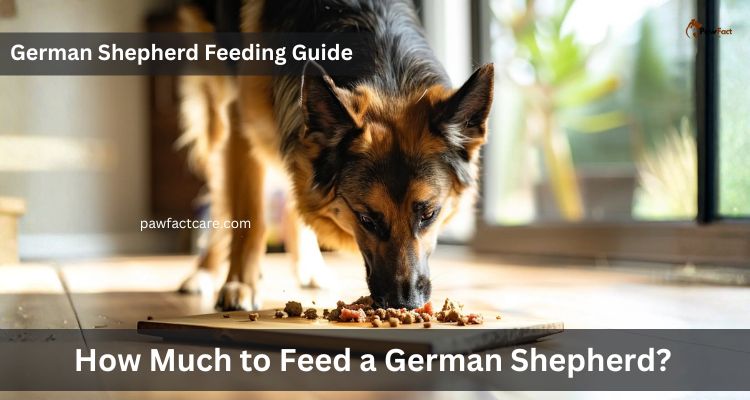
Feeding a German Shepherd properly can feel a bit tricky, especially if you’re a new pet owner. I remember helping a neighbor with their German Shepherd, and one of the biggest questions was always how much to feed a German Shepherd without overdoing it.
German Shepherds are active, strong, and intelligent dogs, which means their diet needs to support both energy and overall health. At the same time, overfeeding can lead to weight gain and joint issues. That’s why understanding the right portion size, feeding routine, and diet is very important. In this guide, I’ll explain everything simply and practically.
👉 Find more simple and helpful pet care guides on our homepage.
🍗 How Much to Feed a German Shepherd (Complete Guide)
Understanding German Shepherd Appetite
German Shepherds have a healthy appetite, especially when they are active or in training. They may seem hungry often, but that doesn’t always mean they need more food. Sticking to measured portions is the best approach.
Daily Food Requirement Basics
The amount of food depends on your dog’s age, weight, and activity level. On average, an adult German Shepherd needs around 2.5 to 3.5 cups of food per day, divided into meals.
Portion Control is Important
Overfeeding can lead to obesity and joint stress, which is common in large breeds. Measuring food properly helps maintain a healthy weight and prevents long-term health issues.

German Shepherd Feeding Chart by Age and Weight
Feeding your German Shepherd the right amount at the right age is essential for healthy growth, strong muscles, and long-term well-being. Since this breed grows quickly and has high energy needs, following a German Shepherd feeding chart by age and weight helps avoid overfeeding or underfeeding.
Below is a detailed guide to help you understand exactly how much to feed your dog at each stage of life.
German Shepherd Puppy Feeding Chart (2–12 Months)
German Shepherd puppies grow rapidly, so they require more frequent meals and nutrient-rich food.
| Age | Weight Range | Food Per Day | Meals Per Day |
|---|---|---|---|
| 2–3 months | 5–10 kg | 1–1.5 cups | 4 meals |
| 3–6 months | 10–20 kg | 1.5–2.5 cups | 3 meals |
| 6–12 months | 20–30 kg | 2.5–3.5 cups | 2–3 meals |
👉 At this stage, use a German Shepherd puppy feeding chart to ensure balanced growth and avoid joint issues.
Adult German Shepherd Feeding Chart (1–7 Years)
Adult dogs need a balanced diet to maintain energy and muscle mass.
| Weight | Food Per Day | Meals Per Day |
|---|---|---|
| 22–30 kg | 2–3 cups | 2 meals |
| 30–40 kg | 3–4 cups | 2 meals |
👉 A proper German Shepherd food amount per day depends on activity level. Active dogs may need slightly more food.
Senior German Shepherd Feeding Chart (7+ Years)
Older dogs have a slower metabolism and need fewer calories.
| Weight | Food Per Day | Meals Per Day |
|---|---|---|
| 22–30 kg | 1.5–2.5 cups | 2 meals |
| 30–40 kg | 2–3 cups | 2 meals |
👉 Use a German Shepherd diet chart for seniors to prevent obesity and support joint health.
You can also read - How Much to Feed a Labrador?
🐾 How Often Should You Feed a German Shepherd Each Day
Puppy Feeding Frequency
Young puppies need multiple meals daily because they burn energy quickly. Feeding them 3–4 times a day ensures steady growth and balanced energy.
Adult Feeding Routine
Adult German Shepherds usually do best with 2 meals per day. This routine helps in maintaining proper digestion and prevents overeating.
Consistency is Key
Feeding your dog at fixed times every day helps build a routine. It improves digestion and keeps their eating habits stable.

⚖️ Factors That Affect How Much to Feed a German Shepherd
Age
Food requirements change with age. Puppies need more calories for growth, while senior dogs need controlled portions to prevent weight gain and joint stress.
Activity Level
German Shepherds are highly active dogs. Those who exercise regularly or are in training need more food compared to less active dogs.
Metabolism
Each dog has a different metabolism. Some may gain weight quickly, while others stay lean even with higher food intake, so adjustments are necessary.
Health Condition
Health issues like joint problems or digestive concerns can affect how much your dog should eat. Monitoring their health helps in adjusting the diet properly.
Check - Check Your Dog’s Ideal Weight Easily
🥗 Best Food for German Shepherd (Dry, Wet, and Homemade Options)
Dry Dog Food
Dry food is convenient, balanced, and supports dental health. It is a reliable daily option for most German Shepherds.
Wet Food
Wet food is more flavorful and can help if your dog is a picky eater. However, it should be given in moderation due to its higher calorie content.
Homemade Food
Homemade meals like chicken, rice, and vegetables can be healthy when properly balanced. Always ensure your dog gets essential nutrients.
🚫 Foods German Shepherds Should Avoid
1. Chocolate and Caffeine (Toxic for Dogs)
Chocolate and caffeine contain harmful compounds that can cause vomiting, rapid heart rate, and seizures. These are common foods toxic to German Shepherds and should be completely avoided.
2. Onions and Garlic (Cause Anemia)
Onions and garlic can damage red blood cells and lead to anemia. Even small amounts in cooked food fall under what not to feed a German Shepherd.
3. Grapes and Raisins (Kidney Damage Risk)
Grapes and raisins can cause sudden kidney failure in dogs. They are highly dangerous and must be avoided in any German Shepherd diet chart.
4. Fatty and Fried Foods (Digestive Issues)
Greasy and fried foods can lead to obesity and pancreatitis. Avoid these while following a proper German Shepherd feeding guide.
5. Cooked Bones and Processed Foods (Choking Hazard)
Cooked bones can splinter, and processed foods contain harmful additives. Stick to a healthy diet for German Shepherds for safety.
Also Read - Foods Dogs Should Not Eat
📊 Is Your German Shepherd Eating the Right Amount? (Signs to Check)
Healthy Weight Signs
A healthy German Shepherd should have a strong, balanced body. You should be able to feel their ribs slightly without them being too visible.
Overfeeding Signs
Weight gain, low energy, and difficulty in moving can indicate overfeeding. Reducing portions gradually can help.
Underfeeding Signs
Visible ribs, low stamina, and dull coat may suggest underfeeding. Increasing food slightly can improve health.
❓ Frequently Asked Questions
1. How much should I feed a German Shepherd daily?
The amount depends on age, weight, and activity level. Using a how much to feed a German Shepherd guide or calculator helps you determine the exact daily portion for your dog.
2. What is the best feeding chart for a German Shepherd?
A German Shepherd feeding chart by age and weight provides detailed portion sizes for puppies, adults, and senior dogs, ensuring proper nutrition at every stage.
3. How often should I feed a German Shepherd puppy?
A German Shepherd puppy’s feeding schedule typically includes 3–4 meals per day. As the puppy grows, you can gradually reduce it to 2 meals daily.
4. How much food does an adult German Shepherd need?
An adult dog usually requires 2–3 cups of food per day, depending on size and activity. A German Shepherd food amount per day guide helps you adjust portions accurately.
5. Why is it important to follow a feeding chart for German Shepherds?
Using a German Shepherd diet chart ensures your dog gets the right balance of nutrients, helping maintain a healthy weight, strong muscles, and overall well-being.
🏁 Conclusion
Feeding your German Shepherd the right amount is essential for their health and energy. By following a proper feeding chart, routine, and portion control, you can keep your dog active and healthy. From experience, consistency and observation make the biggest difference. Small adjustments in feeding can lead to better long-term results.