
🦷 Dog Dental Age Calculator
A dog’s teeth can provide valuable clues about its approximate age, especially for puppies and rescued dogs with an unknown birth date. As dogs grow, their baby teeth are replaced by permanent teeth, and over time their teeth naturally develop wear, tartar, and discoloration. Our Dog Dental Age Calculator estimates your dog’s age based on tooth development, tooth wear, and breed size.
Whether you’ve adopted a rescue dog or simply want to understand your pet’s life stage, this calculator offers a quick and easy age estimate.
👉 Explore more dog health calculators and pet care tools on our website.
📊 Why Use a Dog Dental Age Calculator?
A Dog Dental Age Calculator helps estimate a dog’s age when its exact birth date is unknown.
This calculator helps you:
- Estimate your dog’s age
- Identify its life stage
- Understand normal tooth development
- Learn how dental health changes over time
- Support age-appropriate care
While dental examination is one of the best ways to estimate age, it should always be considered alongside your dog’s overall health and physical condition.
Check this post - How Much Sleep Do Dogs Need
⚙️ How the Dog Dental Age Calculator Works
This dog teeth age calculator estimates age using two key factors.
Tooth Development
Puppies develop baby teeth first, followed by permanent adult teeth. The timing of tooth eruption provides valuable clues during the first year of life.
Tooth Wear and Tartar
As dogs age, their teeth naturally accumulate tartar and show varying degrees of wear. These changes help estimate age in adult and senior dogs.
The calculator estimates:
- Approximate age range
- Life stage
- Breed-size considerations
- General dental care recommendations
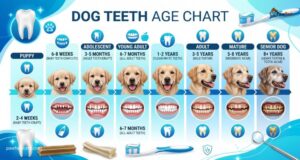
🧠 Typical Tooth Development by Age
| Dog Age | Typical Dental Development |
|---|---|
| 2–4 Weeks | Baby teeth begin erupting |
| 6–8 Weeks | Most baby teeth present |
| 3–5 Months | Permanent front teeth begin erupting |
| 6–7 Months | All adult teeth usually present |
| 1–2 Years | Clean white adult teeth |
| 3–5 Years | Mild tartar may develop |
| 5–8 Years | Moderate tartar and tooth wear |
| 8+ Years | Heavy wear, tartar, and possible missing teeth |
Individual dogs may develop dental changes at different rates depending on genetics, diet, chewing habits, and dental care.
💡 Tips for Maintaining Healthy Dog Teeth
Brush Your Dog’s Teeth Regularly
Daily or frequent brushing with a dog-safe toothpaste helps reduce plaque and tartar buildup.
Provide Dental Chews
Veterinary-approved dental chews may help support oral hygiene.
Schedule Routine Dental Exams
Regular veterinary checkups can identify dental problems before they become severe.
Feed a Balanced Diet
Proper nutrition contributes to healthy teeth and gums.
Watch for Signs of Dental Disease
Bad breath, bleeding gums, loose teeth, difficulty chewing, or excessive drooling should be evaluated by a veterinarian.
Also check - Puppy Vaccination Schedule Calculator
❓ Frequently Asked Questions (FAQs)
1. Can a dog’s age be determined by its teeth?
Yes. Tooth development is especially accurate during puppyhood, while tooth wear and tartar provide general estimates for adult dogs.
2. Are age estimates from teeth always accurate?
No. Diet, chewing habits, dental care, genetics, and breed can all affect tooth condition, making age estimates approximate.
3. When do puppies get their adult teeth?
Most dogs have all of their permanent adult teeth by 6–7 months of age.
4. Can dental disease make a dog appear older?
Yes. Severe tartar buildup, broken teeth, or gum disease may make a younger dog appear older than it actually is.
5. Can this calculator replace a veterinary examination?
No. This calculator provides a general estimate only. A veterinarian can perform a more complete age assessment using multiple physical indicators.
🏁 Conclusion
A Dog Dental Age Calculator is a helpful tool for estimating your dog’s age based on tooth development and dental wear. It is particularly useful for rescue dogs or pets with an unknown history. While dental examination offers valuable clues, regular oral care and veterinary checkups remain essential for maintaining lifelong dental health.
Use this calculator as a general guide while working with your veterinarian to better understand your dog’s age and overall well-being.