
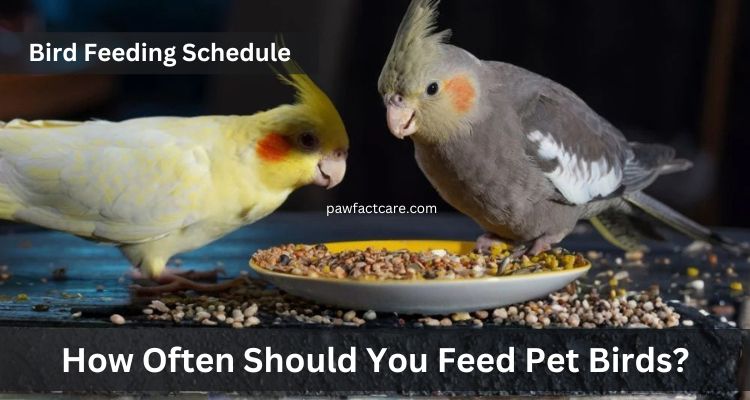
If you’ve ever had a pet bird, you’ve probably noticed they seem to know exactly when it’s mealtime. Many birds move closer to their food bowl or start chirping as soon as they see you coming with food. It’s almost like they have an internal clock.
For new bird owners, a common question is how often they should feed their birds. Some think birds need food available all day, while others worry about feeding too much or too little.
The truth is, most pet birds eat small amounts throughout the day rather than big meals all at once. Having a simple feeding routine can help keep your bird healthy and make caring for them easier.
At Paw Fact Care, we provide straightforward pet care tips to help owners understand their pets’ diets, health, and daily needs.
In this guide, we’ll talk about how often pet birds should eat, how feeding schedules can change based on the type of bird, and share some easy tips for a healthy routine.
Do Pet Birds Need a Feeding Schedule?
Birds naturally eat throughout the day
Unlike dogs or cats, which usually eat at set meal times, birds tend to snack throughout the day. In the wild, they spend much of their time looking for seeds, fruits, and small plants.
As a result, many pet birds prefer having food available during the day rather than just once or twice.
Why having a routine still helps
Even though birds eat small amounts often, a daily routine is useful. Many owners get into the habit of refreshing the food in the morning and checking it again in the evening.
Birds quickly learn these patterns and begin to expect food around those times.
Fresh food is important
Fresh food is especially important when feeding birds fruits or vegetables. These foods can spoil if they sit in the cage too long.
Removing uneaten fresh food after a few hours helps keep the cage clean and prevents bacteria from growing.
Morning Feeding for Pet Birds
Start the day with fresh food
Most owners begin the day by putting fresh food in the bowl. Birds are usually more active in the morning and are more interested in eating then.
Offering fresh seeds, pellets, or grains helps give them energy to stay active.
Adding fruits or vegetables
Morning is also a good time to give fruits or veggies. Birds are often more curious and willing to try new foods earlier in the day.
Some might ignore new foods at first, but leaving small pieces near them usually encourages them to check them out later.
Watching Your Bird’s Eating Habits
Feeding in the morning lets you observe your bird’s appetite and preferences. Over time, owners start to notice which foods their bird likes best.
Also Read - What Do Pet Birds Eat?
Afternoon Feeding and Food Checks
Checking the food bowl
By afternoon, many birds have eaten some of their food. It’s a good time to quickly check the bowl to make sure there’s enough left.
Some birds scatter food while eating, so the bowl might look full even if there’s not much food.
Removing spoiled fresh food
Any fresh fruits or vegetables given earlier should be removed after a few hours as they can spoil, especially in warm rooms.
Replacing these with fresh pieces if needed keeps things clean and safe.
Encouraging natural foraging
Some owners hide small bits of food around the cage to encourage birds to search, which mimics their natural behavior and keeps them mentally active.
Evening Feeding for Pet Birds
Refresh food if needed
In the evening, owners usually check and refill the food bowl if necessary. Birds tend to eat less in the evening compared to morning.
Still, having fresh food available helps keep a consistent feeding routine.
Quiet mealtime
Evening feeding is often calmer. Birds may eat quietly before settling down for the night. Keeping a peaceful environment during this time helps them relax.
Remove leftover fresh food
Before bedtime, it’s best to remove any leftover fruits or vegetables to keep the cage clean and stop spoilage overnight.
You can also read - Dog Feeding Schedule by Age
How Feeding Schedules Vary by Bird Type
Small birds (budgies and finches)
These birds eat very small amounts many times a day. Their food bowls are often kept filled with seed or pellet mixes.
Because they eat frequently, it’s important to check their food regularly.
Medium birds (cockatiels)
Cockatiels have similar eating habits but may eat slightly bigger portions. Many owners give them a mix of pellets, seeds, and fresh foods.
Cockatiels also often enjoy fruits and veggies occasionally.
Larger birds (parrots)
Larger birds like parrots usually have a more varied diet, including pellets, fruits, vegetables, and grains.
Because of their size and intelligence, many owners also provide food in ways that encourage problem-solving or exploration.
Tips for Maintaining a Healthy Bird Feeding Routine
Keep feeding times consistent
Birds like routine and get used to feeding times. Feeding them around the same times each day helps them feel secure. Many birds even start anticipating meals at certain times.
Clean food bowls regularly
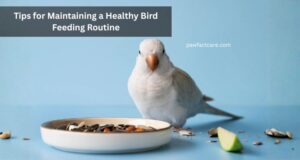
Cleaning the food bowl daily helps prevent bacteria buildup, especially if birds eat fresh fruits or veggies. Clean bowls mean a healthier feeding area.
Provide fresh water daily
Fresh water should always be available for birds. Changing the water daily keeps it clean and safe. Birds often drink small amounts throughout the day.
Watch for changes in appetite
If a bird suddenly eats less or stops eating, it might be a sign of health issues. Keep an eye on their eating habits and consult a vet if needed.
Frequently Asked Questions
1. Should birds always have food available?
Most pet birds do best with food available during the day since they nibble often. Still, fresh foods like fruits should only be left for a few hours.
2. How many times should birds be fed?
Most owners refill the bowl once in the morning and check later in the day. Birds usually eat several times rather than at strict meal times.
3. Can birds overeat?
Some birds might favor certain foods and eat them too much. Offering a balanced diet helps prevent overeating one type of food.
4. Do birds need fresh food every day?
Yes, fresh seeds and pellets should be replaced regularly, and fruits or veggies should always be fresh.
5. What happens if a bird skips a meal?
Birds might eat less on some days, especially if they’re less active. But if they stop eating completely or for a long time, see a vet.
Conclusion
Feeding your pet bird doesn’t have to be hard once you know their natural habits. Most birds prefer small meals spread throughout the day, and a simple routine helps keep them healthy. By providing fresh food, clean water, and a balanced diet, you’ll help your bird stay active and well cared for.

