
Dog Metacam® (Meloxicam) Dosage Calculator
Calculate veterinary NSAID dosage for canine osteoarthritis, pain, and post-operative inflammation.
A Metacam Dosage Calculator for Dogs is an educational tool that helps dog owners understand how a veterinarian-prescribed Metacam (meloxicam) dose relates to a dog’s body weight. Metacam is a veterinary nonsteroidal anti-inflammatory drug (NSAID) that may be prescribed to help manage pain and inflammation in dogs.
Meloxicam dosing needs to be handled carefully because NSAIDs can cause serious side effects when the wrong dose is given or when they are used in dogs with certain health conditions. The appropriate treatment can depend on your dog’s weight, medical condition, kidney and liver health, hydration status, and other medications.
For more useful ways to understand your pet’s everyday needs, explore our practicalpet-care calculators and tools.
⚠️ Important: This calculator is an educational tool and should not be used to independently choose or change a Metacam dose. Use meloxicam only according to your veterinarian’s instructions.
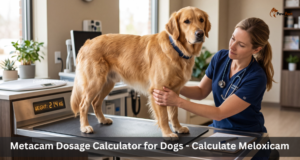
🧮 How to Use the Metacam Dosage Calculator
Enter the information requested by the calculator:
- Dog’s Weight – Enter your dog’s current body weight.
- Weight Unit – Select pounds or kilograms.
- Veterinarian-Prescribed Dose – Enter the dose recommended by your veterinarian.
- Medication Concentration – Enter the strength shown on your Metacam label.
The calculator can then help estimate the corresponding medication amount.
Always check the exact concentration of the liquid or tablet prescribed for your dog before calculating an amount.
Check: Cephalexin Dosage Calculator for Dogs & Tramadol for Dogs Calculator
🦴 What Is Metacam Used For in Dogs?
Metacam (meloxicam) is an NSAID used in veterinary medicine to help manage pain and inflammation associated with certain conditions.
It may be prescribed for musculoskeletal problems or other painful inflammatory conditions when a veterinarian determines that an NSAID is appropriate.
It should not be used simply because a dog appears to be in pain without identifying the underlying cause.
⚠️ Possible Side Effects of Metacam
Meloxicam can cause gastrointestinal and other adverse effects in some dogs.
Watch for:
- 🤢 Vomiting
- 💩 Diarrhea
- 🍗 Loss of appetite
- 😴 Lethargy
- 💧 Changes in drinking
- 🚽 Changes in urination
- 🩸 Blood in vomit or stool
Serious reactions can occur and may involve the gastrointestinal tract, kidneys, or liver. Contact your veterinarian if you notice concerning changes.
Also check: Benadryl Dosage Calculator for Dogs & Dog Onion Toxicity Calculator
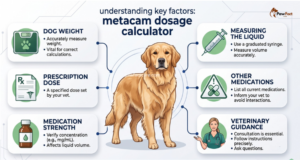
Important Metacam Dosage Factors
| 💊 Factor | Why It Matters |
|---|---|
| Dog’s weight | Used in many veterinary dosing calculations |
| Medication concentration | Determines the amount contained in each mL or tablet |
| Medical condition | Helps determine whether meloxicam is appropriate |
| Kidney & liver health | Important when using NSAIDs |
| Hydration status | Dehydration can increase NSAID-related risks |
| Other medications | Some combinations can increase adverse-effect risks |
❓ Frequently Asked Questions
1. What is Metacam used for in dogs?
Metacam is a veterinary NSAID containing meloxicam that may be prescribed to help manage pain and inflammation in dogs.
2. How is Metacam dosage calculated for dogs?
Veterinary dosing commonly takes body weight into account, but the appropriate treatment depends on the individual dog and medical condition. Use this calculator only with the dose and instructions provided by your veterinarian.
3. Can I give my dog Metacam without a prescription?
You should not start meloxicam or change its dose without veterinary guidance. Your veterinarian should determine whether an NSAID is appropriate for your dog.
4. Can Metacam be given with another painkiller?
Some medication combinations can increase the risk of adverse effects. Tell your veterinarian about every medication your dog is taking before combining treatments.
5. What happens if my dog gets too much Metacam?
An excessive amount can cause serious adverse effects. Contact your veterinarian or an animal poison service promptly if an accidental overdose occurs.
6. Should I stop Metacam if my dog seems better?
Do not change or stop the prescribed treatment without speaking with your veterinarian. Follow the treatment instructions provided for your dog.
🏁 Conclusion
The Metacam Dosage Calculator for Dogs can help explain how a veterinarian-prescribed meloxicam dose relates to dog weight and medication concentration.
Because Metacam is an NSAID and can cause significant adverse effects when used incorrectly, this calculator should be treated as an educational reference only. Always follow your veterinarian’s instructions and contact them if your dog develops unusual or severe symptoms.