
If you’ve recently brought a dog home, one of the first things you probably wonder about is what to feed them. Dogs get excited when they see food, but not everything we eat is safe or good for them.
Having a balanced diet is important to keep your dog active, maintain a healthy weight, and avoid common health issues. Many new dog owners get confused because there’s a lot of mixed advice online about what dogs should eat.
The good news is that once you know the basics, feeding your dog properly becomes much easier. At Paw Fact Care, we share simple and practical pet care guides to help pet owners understand their pets’ diet, health, and daily care better.
What Do Dogs Eat Naturally?
Dogs Are Omnivores
Dogs naturally eat both meat and plants. In the wild, their diet mainly consists of meat with some fruits and plants. That’s why most dog foods today include a mix of protein, fats, and carbohydrates.
Importance of Protein in a Dog’s Diet
Protein helps dogs build and keep strong muscles. It also supports repair and growth. Common protein sources in dog food are chicken, beef, fish, and eggs.
Healthy Fats Are Important
Fats give dogs energy and help keep their skin and coat healthy. They also help the body absorb some vitamins. Fish oil is often added to dog food for these reasons.
Why Dogs Need Vitamins and Minerals
Vitamins and minerals support many body functions. They keep bones strong, teeth healthy, and the immune system working well. Fruits and vegetables usually provide these nutrients.
Healthy Foods Dogs Can Eat
Chicken
Chicken is a common protein for dogs. It helps build muscles and gives energy. Plain cooked chicken without salt or spices is the safest choice.
Rice
Rice is easy on a dog’s stomach and great for digestion. It’s often suggested when dogs have stomach issues. Plain white rice can give quick energy and help with recovery.
Carrots
Carrots are a healthy snack that many dogs like. They have vitamin A, which helps the eyes and the immune system. Their crunch can also help clean teeth.
Apples
Apples make a nice treat when sliced into small pieces. They offer fiber and vitamin C for digestion and overall health. Always remove seeds and the core before giving apples to dogs.

Foods Dogs Should Avoid
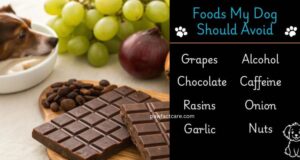
Chocolate
Chocolate contains a chemical called theobromine, which is toxic to dogs. Dogs can’t break it down properly. Even a little can cause vomiting, restlessness, or worse.
Grapes and Raisins
Grapes and raisins can harm dogs’ kidneys. Though they seem harmless, vets advise avoiding them completely. Small amounts may still be dangerous.
Onions and Garlic
Onions and garlic have compounds that can damage dogs’ red blood cells. This might cause weakness or anemia over time. These are often hidden in cooked human foods.
Alcohol and Caffeine
Alcohol and caffeine are very harmful to dogs. Their bodies can’t process these safely. Drinks like coffee, tea, energy drinks, and alcoholic beverages should be kept away from dogs.
How Much Food Should a Dog Eat?
Dog Size Matters
How much food a dog needs mostly depends on their size. Smaller dogs eat less than bigger dogs. Feeding the right amount helps keep them at a healthy weight. If you’re unsure about feeding amounts, you can also read our Dog Feeding Schedule by Age guide for a more detailed breakdown.
Age of the Dog
Puppies need more frequent meals because they grow fast. Adult dogs usually eat two meals a day. Older dogs might need special diets based on their health.
Activity Level
Active dogs burn more calories and may need bigger portions. Dogs that stay most of the time indoors usually need less food. Adjusting portions based on activity helps prevent weight gain.
Type of Food
Different foods have different calories. Dry kibble, wet food, and homemade meals may need different amounts. Always follow feeding instructions for best results.
Feeding Tips Every Dog Owner Should Know
Keep a Regular Feeding Schedule
Dogs do better with routines. Feeding them at the same time every day helps digestion and can reduce begging.
Don’t Change Food Suddenly
Switching dog food too quickly can upset their stomach. It’s better to introduce new food slowly over a few days so their system can adjust.
Always Provide Fresh Water
Dogs should always have clean water available. Staying hydrated helps digestion and keeps the body temperature normal. Refill the water bowl regularly.
Limit Treats
Treats are good for training, but should be given in moderation. Too many treats can cause weight gain. Healthy snacks in small amounts work best.

Signs Your Dog Is Getting the Right Nutrition
Healthy Coat and Skin
One of the easiest ways to tell if your dog is eating well is by looking at their coat and skin. Dogs that receive proper nutrition usually have shiny fur and healthy skin. If a dog’s diet lacks essential nutrients, their coat may start looking dull or dry.
Good Energy Levels
Dogs that are eating a balanced diet usually have steady energy throughout the day. They remain playful, active, and interested in their surroundings. If a dog seems unusually tired or inactive, it could sometimes be related to poor nutrition.
Healthy Weight
Maintaining a healthy weight is another sign that your dog’s diet is working well. Dogs that are overfed may become overweight, while dogs that don’t get enough nutrients may lose weight. Regularly checking your dog’s body condition helps ensure they stay in a healthy range.
Normal Digestion
Good digestion is another important indicator of proper nutrition. Dogs that eat balanced meals usually have regular bowel movements and fewer digestive issues. Frequent stomach upset may sometimes mean the diet needs adjustment.
Owner Tip
When introducing new food, start with small portions and watch how your dog reacts. Gradual changes protect their digestion and prevent upset stomachs.
Frequently Asked Questions (FAQs)
1. Can dogs eat eggs?
Yes, cooked eggs are a good protein source for dogs. They have nutrients that support muscles and health. Serve eggs cooked, never raw.
2. Is milk safe for dogs?
Some dogs can handle small amounts of milk, but many are lactose intolerant. Too much milk might cause stomach problems. It’s best to give milk only occasionally.
3. Can dogs eat bread?
Plain bread is generally safe in small amounts but doesn’t provide much nutritional value. Give bread only as an occasional treat.
4. How often should dogs eat daily?
Most adult dogs eat twice a day. Puppies often need three or four smaller meals since they’re growing. Feeding routines vary by age and activity.
5. Can dogs eat fruits?
Some fruits like apples, bananas, and blueberries are safe and healthy for dogs. They provide vitamins and fiber. Give fruits in moderation.
Conclusion
Feeding your dog the right foods is one of the simplest ways to keep them healthy and active. By choosing safe ingredients and avoiding harmful foods, you can create a balanced diet that supports your dog’s long-term health. Paying attention to your dog’s needs will help you build a feeding routine that works best for them.