
🐶 Dog Food Calculator
What is a Dog Food Calculator?
A Dog Food Calculator is a simple online tool that helps pet owners determine how much to feed a dog daily based on important factors like weight, age, and activity level. Many dog owners often feel confused about the right portion size, which can lead to overfeeding or underfeeding.
Using a dog feeding calculator makes this process easier by giving quick and reliable estimates. It is especially helpful for beginners who are unsure about proper dog diet and nutrition. For simple, practical pet care tips and helpful tools, explore PawFactCare
🍖 What Does This Dog Feeding Calculator Do?
This dog food calculator is designed to give you a personalized feeding recommendation based on your dog’s needs. It considers key factors such as:
- Dog weight (kg)
- Age (puppy, adult, senior)
- Activity level (low, medium, high)
- Type of food (dry, wet, or mixed)
Based on these inputs, the tool calculates the daily dog food intake in grams and cups. This helps you create a balanced feeding routine without guessing.
From my experience, having a clear feeding guideline makes a big difference in maintaining your dog’s healthy weight and energy levels.
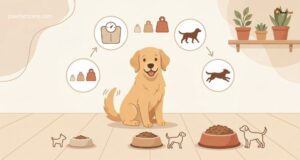
⚙️ How to Use the Dog Food Calculator
Using this how much to feed a dog calculator is very simple and takes only a few seconds:
- Enter your dog’s current weight in kilograms
- Select your dog’s age group
- Choose the activity level based on your dog’s lifestyle
- Select the type of food you usually provide
- Click on the Calculate button
Once you enter these details, the calculator will instantly show the recommended feeding amount.
Check this post - Convert Cat Years to Human Years
What Results Does the Calculator Show?
After calculation, the tool provides clear and useful results to guide your feeding routine:
- Daily Food Amount (grams) – The total quantity your dog should eat per day
- Food in Cups – An easy-to-understand measurement for daily feeding
- Feeding Frequency – How many meals should your dog have in a day
- Basic Feeding Suggestion – Helpful tips to adjust food based on your dog’s condition
These results are based on general dog nutrition guidelines, so you can use them as a starting point and adjust based on your dog’s response.
Why Use a Dog Food Calculator?
Feeding your dog the right amount is one of the most important parts of pet care. Overfeeding can lead to obesity, while underfeeding can affect growth and energy.
A dog feeding chart calculator like this helps you make better decisions by giving accurate and quick results. I personally find it very useful for maintaining a consistent feeding routine without confusion.
❓ Frequently Asked Questions
1. How much should I feed my dog per day?
The amount depends on your dog’s weight, age, and activity level. A small dog needs much less food compared to a large or active dog. From my experience, using a dog food calculator helps avoid guessing and gives a more accurate daily feeding amount.
2. How many times a day should I feed my dog?
Most adult dogs do well with 2 meals per day, while puppies usually need 3–4 meals daily. Feeding frequency helps maintain digestion and energy levels. I’ve noticed that keeping a fixed schedule makes dogs more comfortable and routine-friendly.
3. Can I overfeed my dog easily?
Yes, overfeeding is very common, especially when portion sizes are not measured properly. It can lead to weight gain and health issues over time. That’s why tools like a dog feeding calculator are helpful to maintain the right balance.
4. Does activity level affect how much a dog should eat?
Absolutely, active dogs burn more calories and need more food compared to less active or indoor dogs. A highly active dog will require a higher daily intake. I’ve seen that adjusting food based on activity keeps dogs more energetic and healthy.
5. Is dry food or wet food better for dogs?
Both dry and wet dog food have their benefits, and the best choice depends on your dog’s preference and needs. Dry food is convenient and good for dental health, while wet food is more palatable. Many owners, including me, prefer a mixed feeding approach.
